What CNC Machining and Fabrication Mean
CNC stands for computer numerical control. CNC equipment follows programmed instructions to cut or shape material with repeatable movements. In custom fabrication, this technology can be used alongside design, assembly, finishing, and other processes to produce parts or complete physical pieces.
The method is useful when projects require defined shapes, consistent dimensions, or components created from digital design files. The appropriate process depends on the material, geometry, tolerance, quantity, and intended application.
Precision, Consistency, and Repeatability
Digital production files help translate approved designs into repeatable cuts and shapes. This can be valuable when a project includes matching components, multiple units, interlocking parts, or a branded design that needs to remain consistent across several pieces.
Precision still depends on good input files, suitable tooling, material behavior, machine setup, and quality checks. Clear specifications and a review of critical dimensions help align the final result with the project’s needs.
Materials and Common Applications
Depending on equipment and project requirements, CNC fabrication may be used with materials such as acrylic, wood-based sheet goods, plastics, and other suitable substrates. Material choice affects appearance, strength, weight, edge quality, and finishing options.
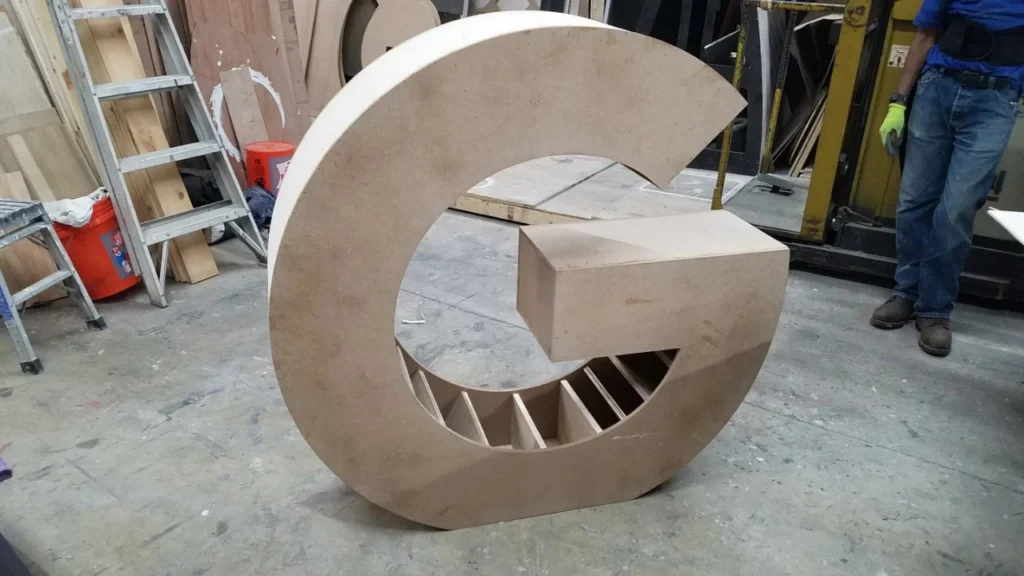
Applications can include dimensional lettering, display components, signage, prototypes, fixtures, branded environments, and specialized fabricated parts. Each project should be assessed individually to confirm that the material and process are appropriate.
Finishing, Assembly, and Quality Checks
Cutting is only one part of many fabrication projects. Components may also need sanding, polishing, painting, graphic application, bonding, hardware, or assembly. These steps affect the final appearance and how well the piece performs in its intended environment.
Reviewing components before assembly helps identify fit or finish issues while adjustments are still manageable. For projects with multiple parts, labeling and documented assembly steps can also support more reliable installation.
Choosing a Fabrication Partner
Look for a partner who asks about the project’s purpose, installation conditions, required tolerances, materials, quantity, and deadline—not just the drawing. A strong process includes design review, clear approvals, communication about constraints, and planning for finishing and delivery.
Provide dimensioned drawings or CAD files when available, along with reference images, quantities, material preferences, and any critical measurements. Capitol CNC combines fabrication capabilities with project planning to help businesses develop custom signage, displays, and other fabricated solutions.
FREQUENTLY ASKED QUESTION
What does CNC stand for?
CNC stands for computer numerical control, referring to equipment that follows programmed instructions to machine or cut material.
What is CNC machining used for?
It can be used to produce precise components, prototypes, signage elements, display parts, fixtures, and other custom-fabricated items.
Which materials can be CNC cut?
Suitable materials depend on the machine, tooling, and project. Common fabrication materials can include acrylic, wood-based sheet goods, and certain plastics.
Is CNC fabrication suitable for one-off projects?
It can be suitable for prototypes and one-off custom pieces, as well as repeat production, depending on project complexity and setup requirements.
Why are design files and measurements important?
They communicate dimensions and geometry clearly, helping the fabricator assess feasibility and produce components to the approved specifications.